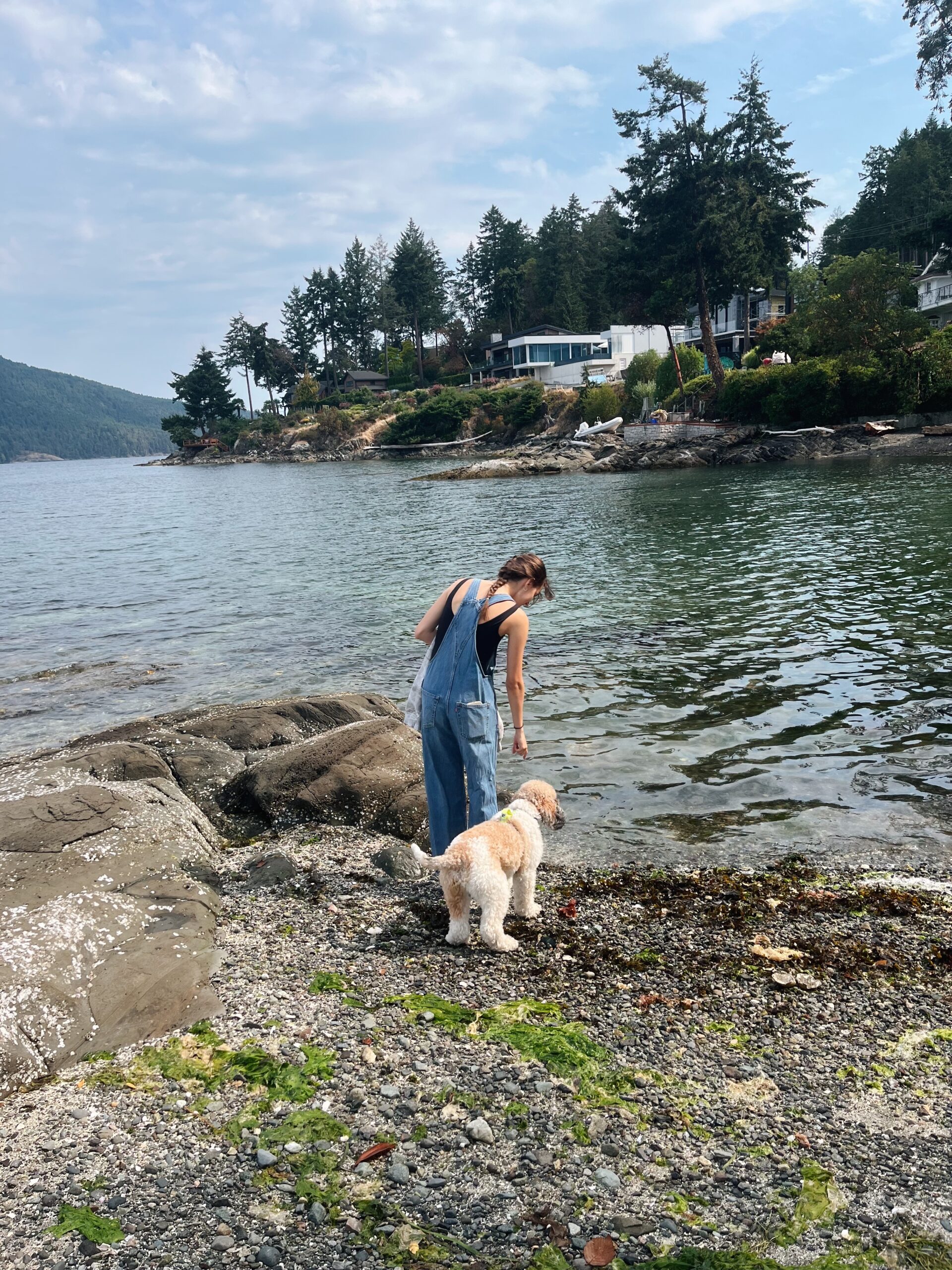
I was born and raised in Edmonton Alberta. Here, I grew up as a competitive dancer as well as a sprinter. I also developed a deep passion for animals and loved to horseback ride.
Following in the footsteps of my mom, I pursued my undergraduate degree at the University of Alberta. Over the four years of my Sociology and Political Science degree, I developed a deep interest in Criminology classes and a passion for advocating for change in our criminal justice systems. My passions lie with working towards limiting the cycle of incarceration and advocating for policy change that emphasizes risk factors and non-custodial sentences. Through both my volunteer work at the John Humphery Centre for Peace and Human Rights and my time working at Legal Aid Alberta, I gained a deeper understanding of the human realities behind the justice system. Every day, I interacted with individuals facing some of the most difficult moments of their lives. Individuals had to navigate criminal charges, family crises, financial hardship, or mental health challenges while simultaneously trying to understand a legal system that often felt overwhelming.

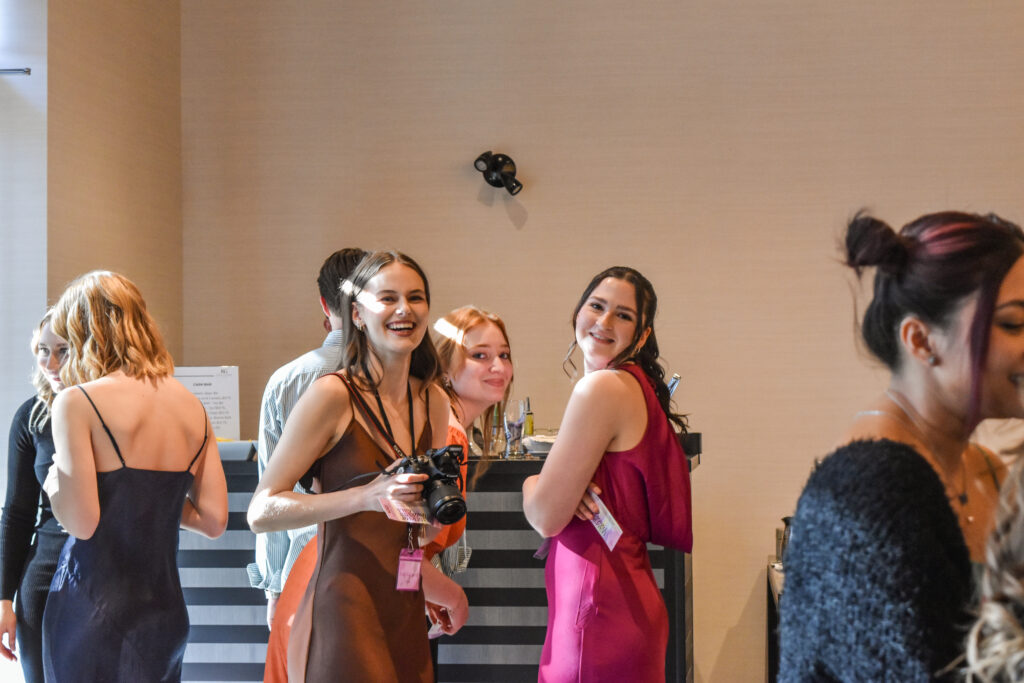
During my time at the University of Alberta, I became the co-chair of the Women in Leadership club. Through this role, I had the opportunity to work alongside diverse groups of students, organize events, and create spaces that encouraged conversations about equity, inclusion, and women’s empowerment. These experiences opened my eyes to the systemic barriers that many individuals and communities continue to face and inspired me to think critically about issues of fairness, representation, and social change.

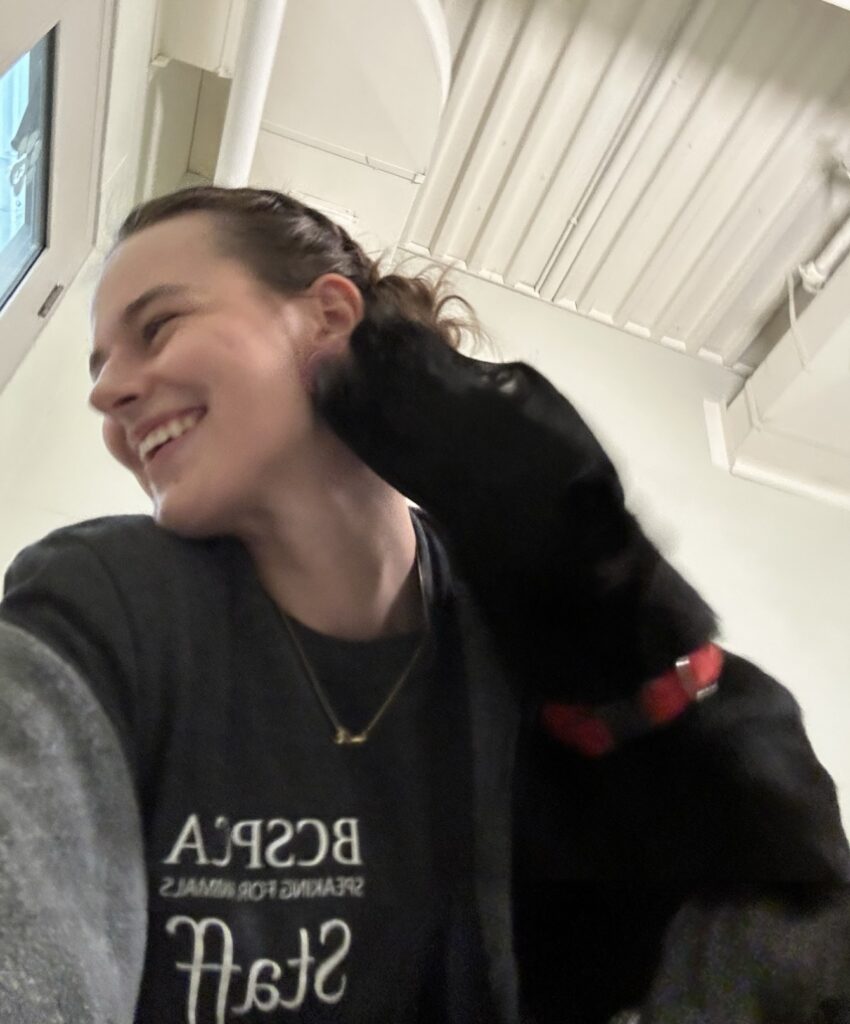
My childhood passion for animals, while never really gone, was reignited through my work with the SPCA. While I accepted the role because I care about animal welfare and wanted to make a difference in the lives of the animals, what I did not anticipate was how profoundly the experience would shape my understanding of advocacy, justice, and the importance of ensuring that every story is heard before judgment is passed. Many people assume that the work of an SPCA is simply caring for animals, and while compassion is at its core, the work often extends far beyond the animals themselves. Behind cases of neglect or abandonment are people facing poverty, addiction, mental illness, domestic violence, or housing insecurity. Many of the situations that we deal with that seem straightforward on the surface, often become far more complex once the full circumstances emerge. I have learned that advocacy is not about agreeing with every decision someone has made but instead recognizing their humanity and ensuring they are treated with fairness and dignity. Through this, I have become passionate about understanding the principles that safeguard fairness within the justice system and ensuring that every individual receives equal access to representation. Criminal justice embodies the idea that justice depends not on public opinion or first impressions, but on careful examination of the evidence and the protection of fundamental rights. My experience at the SPCA has shown me how easily people can be defined by a single moment without consideration of the broader context. It has reinforced my passion for criminal justice reform that considers broader contexts and refrains from passing judgement.
Throughout my Master’s degree, my interest in animal welfare and criminal justice advocacy continued to grow. Additionally, it has fostered a new passion for media representation and how news articles depict parties involved in crime vastly differently based on their socioeconomic status, gender and race. For victims, the phenomenon of missing white woman syndrome, where media only latches onto missing person cases when the victim is a affluent white woman has become a topic of interest for me. On the other end of things, I have enjoyed researching the ways in which news headings, photo choices, and vocabulary changes when a criminal offender is white versus non-white. Ultimately, the program has reaffirmed my passion for advocating for those who cannot advocate for themselves.
';